How long
One day covers the beaches and Carrasqueira. With two, there's time for Tróia, a horse ride and long dinners.
Best time
June to September for the beach. In spring and autumn the rice fields turn green or golden and there are far fewer people.
Getting there (from Lisbon)
About 120 km on the A2, an hour and a half by car. You can also take the ferry from Setúbal to Tróia and drive down the peninsula.
Ideal for
Couples, families who want a beach with room to spare and anyone who likes nature, peace and good restaurants without pretension.
Don't forget
Your own beach umbrella: many beaches have no parasols, and natural shade is zero.
Comporta is proof that luxury can go barefoot. For decades it was a land of rice, fishermen and thatched houses, far from everything. Then came the artists, the architects and a few discreet celebrities, and Comporta became the worst-kept secret on the Portuguese coast. Even so, it still has kilometres of beach without buildings, rice fields with storks and herons, and a village pace that forces anyone to slow down.
The beaches: space as far as you can see
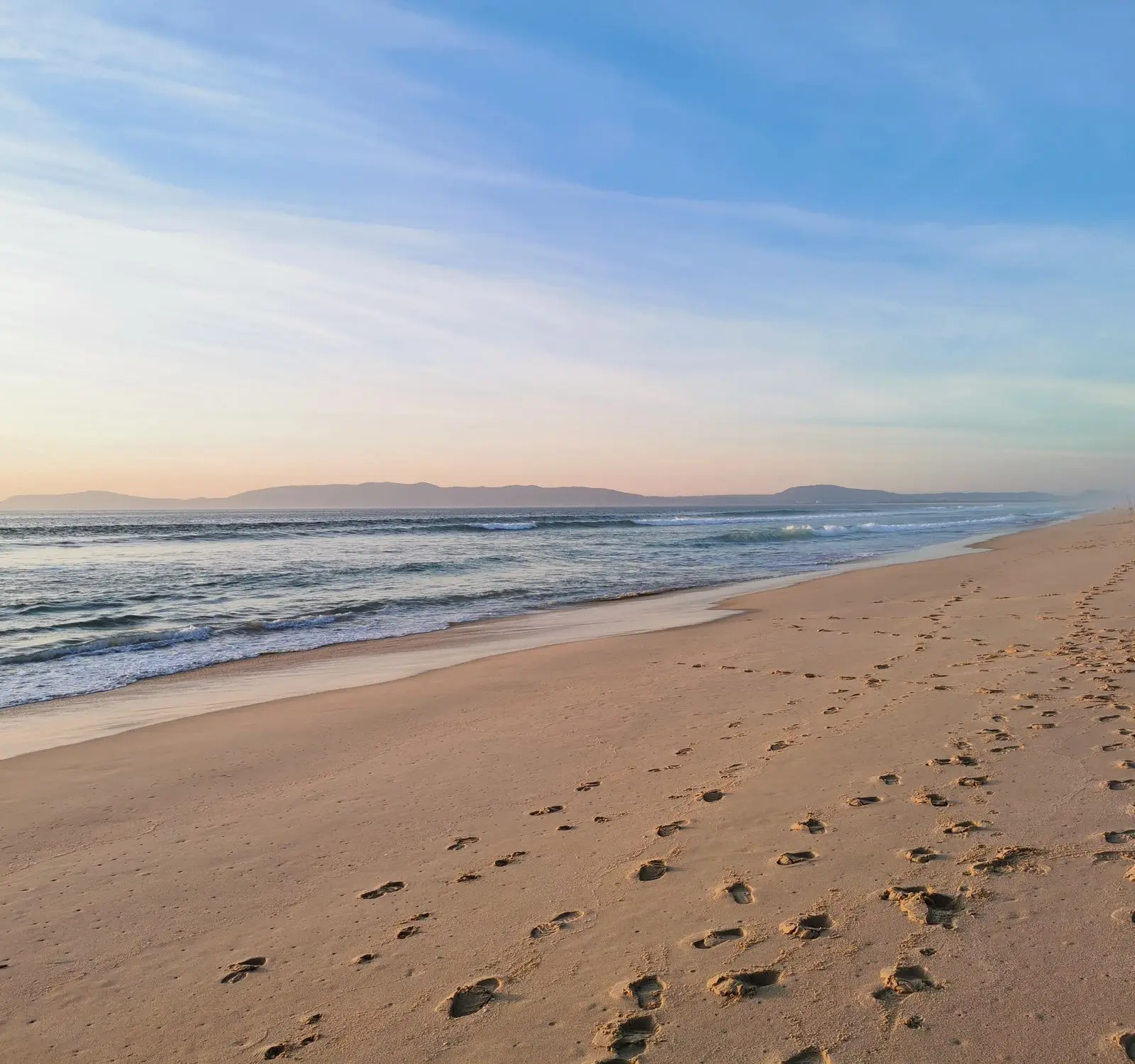
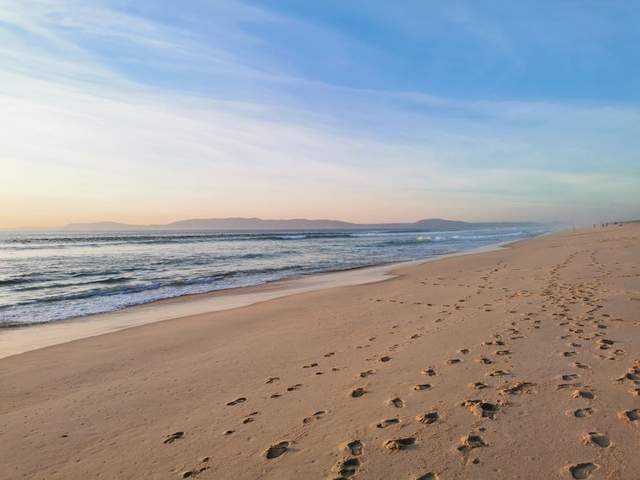
The Comporta coast is an almost continuous stretch of sand dozens of kilometres long, between Tróia and Melides, with dunes, pine forests and clean Atlantic water. Comporta, Carvalhal, Pego and Torre beaches are the best known, each reached by boardwalks over the dunes and some with beach restaurants.
Even in August, a few minutes' walk from the access points gives you a patch of sand to yourself. The sea is Atlantic, cool and sometimes wavy, so respect the flags and stick to lifeguarded areas.
At the end of the day, the light over the dunes and the sea is soft and golden. There are horse rides along the beach at sunset, one of the most beautiful experiences in the area.
Rice fields, storks and the Sado estuary
Behind the beaches lie the rice fields, among the largest in Portugal, fed by the waters of the Sado estuary. In spring the fields are green and flooded; at the end of summer, golden. It's a rare landscape in the country and very photogenic.
The rice fields and surrounding marshes are a paradise for birds. Storks nest on poles and chimneys, and herons, flamingos and other waterbirds appear in large numbers, especially in autumn and winter.
The Sado Estuary Nature Reserve protects this area, which is also home to a population of bottlenose dolphins. Boat trips to see them leave from Setúbal and sometimes from Tróia.
Carrasqueira: the stilt pier
Near Comporta is Carrasqueira, a small fishing village famous for its stilt pier: wooden walkways on stilts that zigzag into the estuary, with small huts where fishermen keep their nets.
It was built because low tide left the boats stuck in the mud, and the fishermen needed to reach the water. The result is one of the most photogenic structures in Portugal, especially at sunset, with reflections in the water and colourful boats.
It's a working place, not a museum: walk carefully, respect the fishermen and don't go into the huts. The visit is short but memorable.
Tróia: the tip of the peninsula
North of Comporta, the Tróia peninsula ends opposite Setúbal, with calm, clear-water beaches on the estuary side, a marina and hotels. A ferry links Tróia and Setúbal in a few minutes, a beautiful way to arrive or leave.
Tróia is home to the Roman Ruins of Tróia, a large Roman fish-salting complex by the water. The tanks where garum, the Romans' fish sauce, was made are still visible, along with baths and a necropolis.
On the estuary side the water is warmer and calmer than on the Atlantic coast, which makes Tróia's beaches a good choice for small children.
Eating in Comporta: rice, fish and relaxed restaurants
With so much rice around, it's no surprise it stars at the table. Razor-clam rice, seafood rice, duck rice and fish rice appear on almost every menu, always made with local rice, creamy and full of flavour.
Comporta has very popular beach restaurants, some relaxed and chic, and traditional taverns in the village and in Carrasqueira with grilled fish and fried cuttlefish at friendlier prices. On summer weekends, book ahead.
The village also has design, homeware and beachwear shops, many in old rice warehouses. Strolling there in the late afternoon before dinner is part of the ritual.
A perfect day in Comporta
09:30
Setúbal–Tróia ferry
Crossing the estuary with eyes on the water, looking for dolphins.
10:00
Roman Ruins of Tróia
The fish-salting tanks by the water.
13:00
Beach lunch
Razor-clam rice at a restaurant on the dunes.
15:00
Beach time
An afternoon on endless sand between Comporta, Carvalhal and Pego.
17:00
Rice fields
A drive through the rice fields to see storks and herons.
18:30
Carrasqueira
The stilt pier at sunset.
20:00
Dinner and the village
The village shops and an unhurried fish or rice dinner.
What it costs
Comporta is one of the most expensive areas on the Portuguese coast for sleeping and beach-restaurant dining. The beaches, though, are still free.
Budget
90–150 €
per person, per day
Sleep in Setúbal or Alcácer do Sal, lunch in the village, free beaches and Carrasqueira at sunset.
Comfortable
220–400 €
per person, per day
Guesthouse in the area, a beach lunch, a horse ride and a rice dinner with wine.
No expense spared
600–1200 €
per person, per day
Design hotel among the pines, beach restaurants without looking at the bill and private transport from Lisbon.
Rural guesthouse
per night, double room · More expensive in July and August
120 € – 220 €
Design hotel or luxury house
per night, double room
250 € – 600 €
Horse ride on the beach
per person, about an hour
30 € – 60 €
Setúbal–Tróia ferry
per person · More with a car
8 € – 15 €
Lunch special in the village
per meal
15 € – 25 €
Lunch at a beach restaurant
per person
30 € – 55 €
Roman Ruins of Tróia
per person
4 € – 8 €
Dolphin-watching trip on the Sado
per person
45 € – 80 €
Approximate reference values for 2026. Always check before you go.
Tourist mistakes to avoid
- ✕Going to Comporta in August without booked accommodation or restaurant tables.
- ✕Expecting parasols and services on every beach. Many are wild, and that's the charm.
- ✕Walking off the boardwalks on the dunes. They're fragile and protected.
- ✕Going into the fishermen's huts in Carrasqueira for a photo.
- ✕Thinking the water is as warm as the Algarve. On the Atlantic side, it's cool.
- ✕Leaving without trying the local rice.
«In Comporta, shoes are optional. Rice is not.»
More photos of Comporta
Already packing?
Tours and transfers in Comporta
Frequently asked questions
How do I get from Lisbon to Comporta?
By car it is about 120 km on the A2, an hour and a half. You can also drive to Setúbal, take the ferry to Tróia and continue down the peninsula. A private transfer saves you driving and hunting for beach parking.
What are the best beaches in Comporta?
Comporta, Carvalhal, Pego and Torre beaches are the best known. All have huge stretches of sand, and away from the access points there's plenty of room.
What is the Carrasqueira stilt pier?
A fishermen's pier made of wooden walkways on stilts reaching into the Sado estuary. It was built to reach the water at low tide and is one of the most photogenic spots in the region.
Can you see dolphins near Comporta?
Yes. The Sado estuary has a resident population of bottlenose dolphins, and boat trips to see them leave from Setúbal. Sometimes you see them from the Tróia ferry too.
Is Comporta expensive?
Accommodation and the most famous beach restaurants are expensive, especially in summer. But there are taverns and simpler places to stay in the area, and the beaches are free.
Prices, opening hours and rules are approximate reference values and may change: always check before you go. Photos: Pexels.